

If you’re weighing Invisalign vs braces, which is better? The honest answer is that it depends on your teeth, your bite, your daily life, and what you want from treatment. Neither option wins for everyone.
Clear aligners suit many people, especially those who care about appearance and comfort. Braces can be the stronger tool for some complex bite problems. Your dentist can tell you which fits your case after an exam.
This guide covers how each option works, what research says about results, and the everyday differences that matter. It also helps you decide what to ask at your consultation.
How Invisalign vs Braces Works
Both Invisalign and braces treatments move teeth gradually using gentle, steady pressure. The difference is how that pressure gets applied.
Invisalign
Invisalign and orthodontic care use a series of custom-made clear aligners. You switch to a new set on a schedule your dentist sets, and each set shifts your teeth a little further. Small tooth-colored attachments are sometimes bonded to teeth to help the aligners grip and guide movement.
Braces
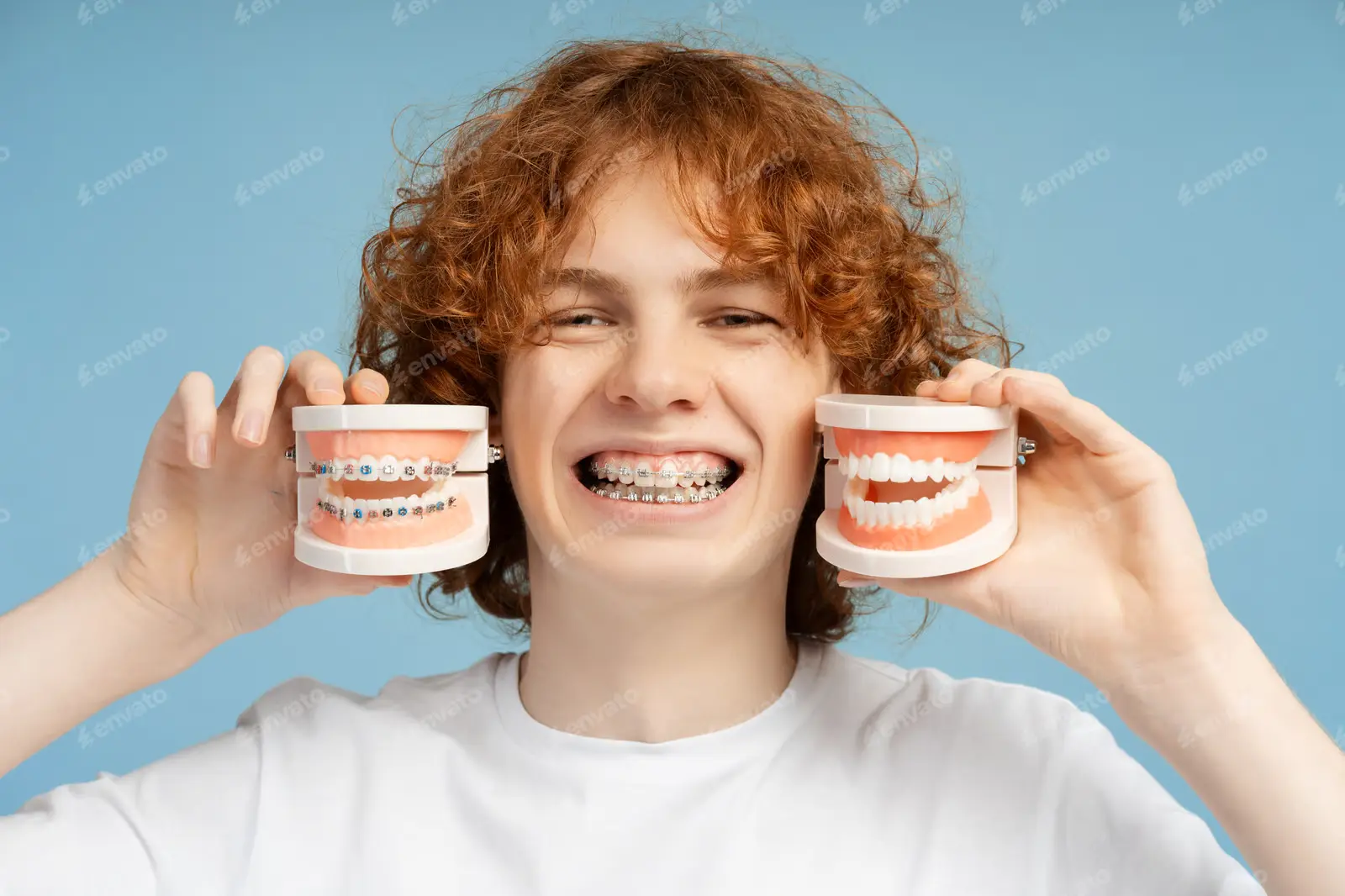
Braces use brackets bonded to your teeth and a wire connecting them. Your orthodontist adjusts the wire at visits to keep teeth moving in the planned direction. Brackets come in metal and tooth-colored ceramic versions.
The Comparison: Invisalign vs Braces
| Invisalign (clear aligners) | Traditional braces | |
|---|---|---|
| Visibility | Clear, hard to notice | Metal or ceramic brackets and wires |
| Removable | Yes | No, fixed to teeth |
| Comfort | Smooth plastic, but teeth can feel sore after each new set | Brackets and wires can irritate cheeks and lips |
| Eating | Take them out to eat | Some foods are off limits |
| Cleaning | Brush and floss as usual | Takes extra effort around brackets |
| Relies on you | Heavily (daily wear time) | Less, since they stay on |
| Best for | Many mild to moderate cases, depending on your teeth | Many cases, including some complex ones |
Your own dental findings can shift any row of this table, so treat it as a starting point.
What the Research Says About Results
Many people ask whether Invisalign works as well as braces. Research gives a nuanced answer.
A 2018 systematic review in BMC Oral Health found that both clear aligners and braces were effective in treating malocclusion. The same review noted that clear aligners might not be as effective as braces at producing adequate occlusal contacts, controlling tooth torque, and retention. In plainer terms, braces may have an edge in fine-tuning how the teeth meet and in controlling how roots tilt.
A summary of that review also suggested clear aligners might suit patients who need segmented tooth movement and a shorter treatment time, while fixed braces could suit those who need precise bite contacts and a wider dental arch.
Some reviewers caution that the evidence has limits. One commentary on the research pointed out that the available studies are often small, so high-quality evidence is still limited.
The takeaway isn’t that one option is weak. It’s that your specific problem matters. A few crowded front teeth is a different job from a bite that doesn’t close properly.
Looks and Confidence
This is where many people lean toward Invisalign. Clear aligners are far less noticeable than metal brackets, which matters if you’re in client meetings, on camera, or just don’t want treatment to be the first thing people see.
Ceramic braces narrow that gap by using tooth-colored brackets, though they’re still visible up close. If appearance is your top priority, say so at your consultation. It will shape which options your dentist walks you through.
Comfort
Neither option is pain-free, and it’s worth being straight about that. Teeth commonly feel tender for a few days when you start treatment or switch to a new aligner. With braces, soreness often follows adjustments.
The difference is in the daily feel. Aligners are smooth plastic, so they’re less likely to rub your cheeks and lips. A systematic review reported that patients with clear aligners had better comfort, oral hygiene, and aesthetics than those with traditional braces. Braces can cause irritation from brackets and wires, especially in the first weeks.
Eating, Cleaning, and Daily Life
With Invisalign, you remove the aligners to eat and drink anything other than water. That means no real food restrictions. You then brush and floss before putting them back in. If you snack often or have lunch meetings that run long, plan to carry a travel toothbrush.
With braces, you can’t take anything off. Hard, sticky, or chewy foods can damage brackets or bend wires, so you’ll avoid things like hard candy, popcorn, and gum. Cleaning takes more work because food collects around brackets and under wires. Dental floss threaders, interdental brushes, and a careful routine matter a lot.
Good home care protects you either way. Gum health and cavity prevention don’t pause during orthodontic treatment.
Treatment Time
How long you’ll wear either appliance varies widely with the complexity of your case and how closely you follow the plan. Be wary of anyone who promises a fixed timeline before examining you.
Research hints that aligners can sometimes shorten treatment in suitable cases. One review noted a reduction in treatment time with clear aligners compared with conventional appliances in adult extraction cases. A separate review on aligner effectiveness reached a similar view, noting that shorter treatment duration and chair time in mild-to-moderate cases appear to be the main advantage supported by current evidence.
Those findings don’t guarantee a shorter course for you. Your dentist can estimate a realistic range once they’ve reviewed your teeth and bite.
The Discipline Factor
This is the part people underestimate. Invisalign only works if you wear it. Aligners generally need to stay in for most of the day, roughly 20 to 22 hours, and your dentist will give you the exact target. If you often forget, lose things, or take them out for hours at a time, progress can stall and treatment can run longer.
Braces don’t depend on your memory. They work around the clock whether you think about them or not. For teens, and for adults who know they’re not great with routines, that built-in compliance can be a real advantage.
Which Option May Suit Which Person?
These aren’t rules, only patterns your dentist may consider.
Invisalign may be a good fit if you:
- Have mild to moderate crowding or spacing
- Want a less noticeable option
- Can commit to wearing aligners most of the day
- Want to eat without restrictions and clean your teeth the usual way
Braces may be a good fit if you:
- Have a more complex bite problem or significant tooth rotation
- Want treatment that doesn’t depend on daily habits
- Aren’t bothered by visible hardware, or would consider ceramic brackets
- Need more precise control of how teeth meet
Some people fall in between, and a dentist may weigh factors like your gum health, past dental work, jaw position, and goals. Treatment suitability varies by oral health, medical history, anatomy, and what you want from the result. Schedule a consultation to get a clear idea.
Retainers Matter with Either Option
Once your teeth are in position, they can drift back. That’s called relapse, and it’s why retainers are a standard part of treatment. Skipping them is one of the most common reasons people end up unhappy with a result years later. Ask at the start how long you’ll wear retainers and what they’ll cost, so there are no surprises.
What About Cost?
Costs vary by case complexity, treatment length, and the provider, and insurance coverage differs from plan to plan. We won’t quote figures here, because any number would be a guess. Ask for a written estimate at your consultation, and check with your insurer about orthodontic benefits.
A Note for Busy New Yorkers
Between work schedules, commutes, and client dinners, treatment that fits your life tends to be treatment you finish. If you travel a lot or spend long days in meetings, Invisalign’s removable design can feel easier to live with. If you’d rather not think about it, braces take that decision away. Bring up your schedule at your consultation. It’s a legitimate part of the decision.
Choosing Between Them with Upper East Dental Innovations
At Upper East Dental Innovations on East 60th Street, orthodontic care includes Invisalign, and the practice describes its approach as personalized and focused on patient education. A consultation here is a chance to have your teeth and bite examined, talk through your goals, and hear which options may fit before you commit to anything.
If you’re also considering cosmetic dentistry or restorative work, it can help to plan everything together, since some treatments affect the order of care. Dr. Sharda Harvey, DDS, MS, FICOI, a general cosmetic and implant dentist, leads the practice.
Final Thoughts: Ready to Compare Your Options?
If you’re still asking Invisalign vs braces, which is better for you, the most useful next step is an exam. Contact Upper East Dental Innovations at 212.697.1701 or info@uedi.nyc to schedule a consultation. You’ll leave with a clearer picture of what treatment could look like, with no pressure to decide on the spot.
Frequently Asked Questions
Is Invisalign better than braces?
Not across the board. Both can straighten teeth effectively, and research suggests each has strengths. Aligners may offer comfort, looks, and flexibility. Braces may offer more precise control in some complex cases.
Does Invisalign hurt more than braces?
Many people find aligners more comfortable day to day, but soreness is normal with either option, especially early on and after changes.
Is Invisalign faster than braces?
It can be in some mild to moderate cases, but it isn’t guaranteed. Your timeline depends on your teeth, your plan, and how consistently you follow it.
Can adults get Invisalign?
Yes, adults and teens can both be candidates, depending on their dental health and the problem being treated.
Do I still need a retainer?
Yes, in nearly all cases. Retainers help keep your teeth where they’ve been moved.
What if I’m not sure which to choose?
That’s common. A consultation lets you compare options based on your own teeth rather than general advice.